What Nutrition Has To Do With Aging
A 30-year study reveals what healthy aging actually looks like on a plate
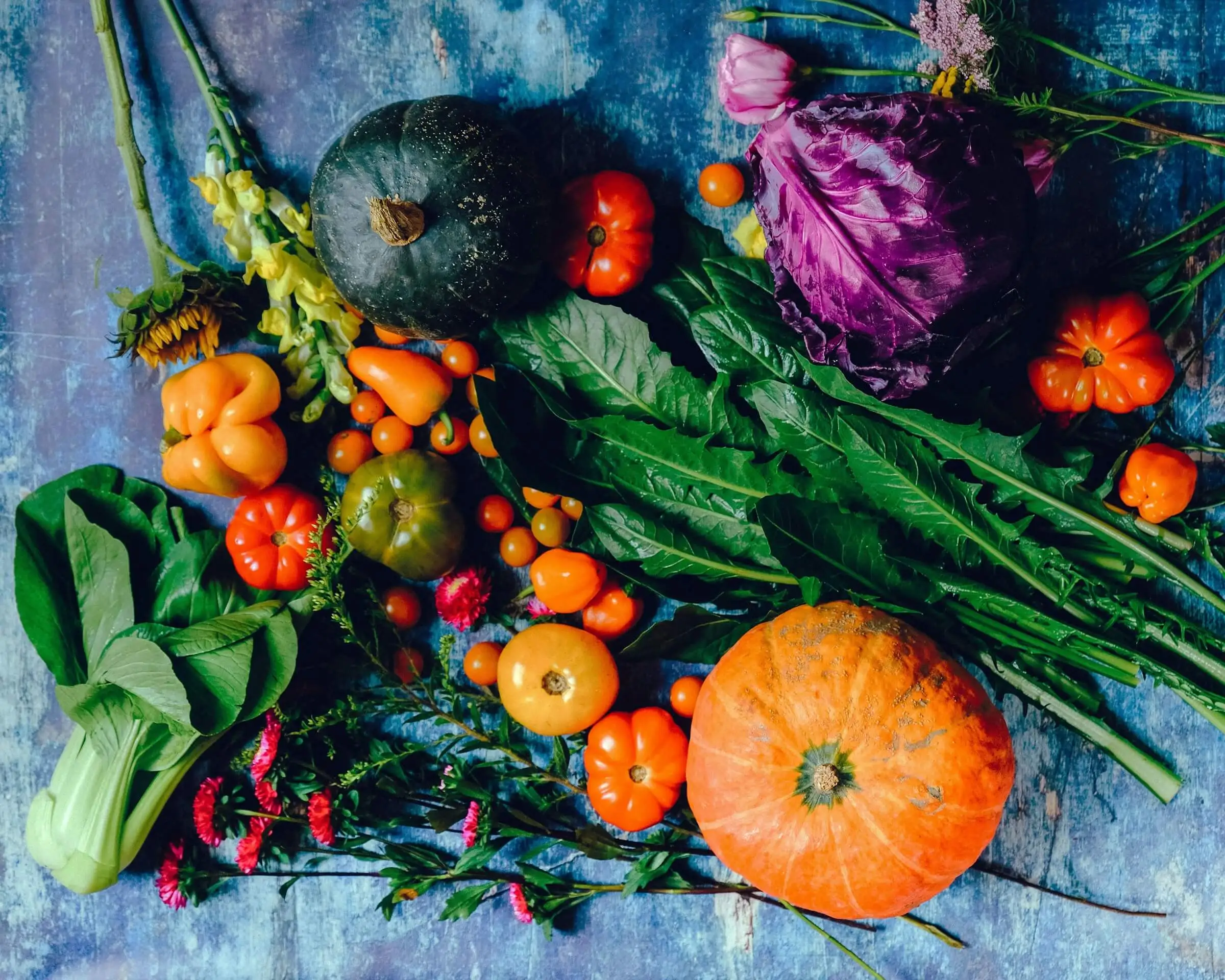
Ella Olsson / unsplash


.svg)
What this article is about
- What one of the most comprehensive nutrition studies to date reveals about the link between eating habits and healthy years of life
- Why the question isn't "which diet is best?" – but a different one
- Which dietary patterns consistently perform best in research – and what they have in common
- What these findings mean for everyday life – and what is often over-interpreted
Nutritional advice abounds. Low carb, Mediterranean, plant-based, intermittent fasting – every season brings new recommendations, new studies, new contradictions. This makes it difficult to keep track. And it tempts us to lose sight of the truly relevant question.
This question isn't: How do I eat to lose weight? Or: Which diet is currently trending? Instead, it's: How do I eat so that I'm still healthy at 70 – physically functional, cognitively clear, free from chronic diseases?
This is precisely what a research group at the Harvard T.H. Chan School of Public Health investigated – not in a short experiment, but over three decades.
A study built on decades
In March 2025, the research team published the results of an analysis in the journal Nature Medicine. The findings were based on data from two large US long-term studies with a total of over 105,000 participants, who were observed for up to 30 years.
What's special: The study defines healthy aging not just as reaching a certain age. "Healthy aging" is considered to be someone who, at 70, is free from major chronic diseases – including cardiovascular diseases, diabetes, cancer, and dementia – while also maintaining physical function, mental health, and cognitive clarity.
A sobering finding upfront: Only 9.3% of participants achieved this goal. This is not a sign of pessimism, but of precision – and it underscores how rarely true healthy aging actually occurs when defined this way.
What the research shows
The study compared eight different dietary patterns – including the Mediterranean Diet, the MIND Diet, the DASH Diet, the Planetary Health Diet Index, and the Alternative Healthy Eating Index (AHEI). All eight performed better than an unhealthy comparison diet. This in itself is a significant finding: There isn't one superior diet – but rather several different patterns that contribute to healthy aging.
For reference:
The MIND Diet (Mediterranean-DASH Intervention for Neurodegenerative Delay) was specifically developed for brain health and combines elements of the Mediterranean diet with the DASH diet.
The DASH Diet (Dietary Approaches to Stop Hypertension) was originally developed to lower blood pressure and emphasizes potassium-rich foods, whole grains, and low salt.
The Planetary Health Diet Index is based on recommendations from the EAT-Lancet Commission for a diet that considers both health and environmental sustainability.
The AHEI (Alternative Healthy Eating Index) is a score developed by Harvard that weights food groups according to their scientifically proven effect on health.
The AHEI performed best: Those who consistently adhered most closely to this pattern over a long period had an 86% higher probability of healthy aging at 70 – compared to those who adhered least. By age 75, this advantage increased 2.2-fold.
What's behind the AHEI? This index primarily emphasizes:
- Plenty of vegetables, fruits, whole grains, legumes, and nuts
- Healthy fats – especially olive oil, avocado, and fatty fish
- Limited processed meat, cured meats, and sugary drinks
- Limited refined grains and added salts
That doesn't sound revolutionary. And it isn't, but that's precisely the point.
The common thread
Comparing the various dietary patterns that performed well in the study reveals a consistent pattern: they all emphasize plant-based foods, high-quality fats, and limited highly processed products. Whether Mediterranean, MIND, or DASH – the differences are in the details, not in the fundamental principle.
The negative correlation with ultra-processed foods was particularly clear. Those who consumed a high proportion of industrially processed products – especially processed meat and sugary drinks – had significantly poorer chances of healthy aging. This finding is consistent with a growing body of research linking ultra-processed foods to increased inflammatory activity, poor gut health, and an elevated risk of chronic diseases.
This article thus connects to what has already been described in the context of inflammaging: nutrition influences healthy aging not only through nutrients but also through inflammatory processes, the gut microbiome, and metabolic regulation – systems that are closely interconnected.
It's about the long game
One aspect of the study often overlooked in public discussion: the data was collected over 30 years. What researchers are measuring are not short-term dietary effects, but long-term patterns. This means it's not about the perfect day or the perfect week. It's about what is practiced consistently over decades.
This perspective is reassuring – and simultaneously shifts the focus. Individual exceptions, occasional deviations, or a meal that doesn't meet the ideal have little significance in this context. What matters is the overall direction over time.
For many people, this is a helpful reframing: not diet as a temporary project, but nutrition as a long-term habit – without perfection as the standard.
What the science says
Evidence Base: Robust findings – large database, renowned journal, 30-year observation period; observational study without randomized control, therefore association, not proven causality
What we know
- Long-term plant-rich, minimally processed dietary patterns are consistently associated with better prospects for healthy aging
- Multiple different dietary patterns can contribute to healthy aging – there is no single superior diet
- Ultra-processed foods, especially processed meat and sugary drinks, are associated with poorer health outcomes
- Long-term dietary patterns are more relevant than short-term interventions
What we don't know
- Whether the observed associations are causal – dietary habits correlate with many other lifestyle factors that cannot be fully accounted for
- Which specific food components have the greatest effect – the study measures patterns, not individual nutrients
- Whether the results are generalizable to other populations – the cohort was predominantly white, educated, and employed in the healthcare sector
What is often over-interpreted
- The study does not demonstrate a causal effect of individual foods – headlines like "Olive oil prevents dementia" go beyond the available data
- "Starting" a specific diet has little short-term impact – the effects emerge over decades, not weeks
- Individual superfoods or supplements do not replace a consistent dietary pattern – the overall dietary context is crucial, not individual ingredients
References
- Tessier AJ, Wang F, Korat AA et al. Optimal dietary patterns for healthy aging. Nature Medicine. 2025;31(5):1644–1652. doi: 10.1038/s41591-025-03570-5
- Livingston G et al. Dementia prevention, intervention, and care: 2024 report of the Lancet standing Commission. Lancet. 2024;404(10452):572–628. doi: 10.1016/S0140-6736(24)01296-0
- Andonian BJ et al. Inflammation and aging-related disease: A transdisciplinary inflammaging framework. GeroScience. 2025;47(1):515–542. doi: 10.1007/s11357-024-01364-0
Publiziert
8.6.2026
Kategorie
Health

Experte



What this article is about
- What one of the most comprehensive nutrition studies to date reveals about the link between eating habits and healthy years of life
- Why the question isn't "which diet is best?" – but a different one
- Which dietary patterns consistently perform best in research – and what they have in common
- What these findings mean for everyday life – and what is often over-interpreted
Nutritional advice abounds. Low carb, Mediterranean, plant-based, intermittent fasting – every season brings new recommendations, new studies, new contradictions. This makes it difficult to keep track. And it tempts us to lose sight of the truly relevant question.
This question isn't: How do I eat to lose weight? Or: Which diet is currently trending? Instead, it's: How do I eat so that I'm still healthy at 70 – physically functional, cognitively clear, free from chronic diseases?
This is precisely what a research group at the Harvard T.H. Chan School of Public Health investigated – not in a short experiment, but over three decades.
A study built on decades
In March 2025, the research team published the results of an analysis in the journal Nature Medicine. The findings were based on data from two large US long-term studies with a total of over 105,000 participants, who were observed for up to 30 years.
What's special: The study defines healthy aging not just as reaching a certain age. "Healthy aging" is considered to be someone who, at 70, is free from major chronic diseases – including cardiovascular diseases, diabetes, cancer, and dementia – while also maintaining physical function, mental health, and cognitive clarity.
A sobering finding upfront: Only 9.3% of participants achieved this goal. This is not a sign of pessimism, but of precision – and it underscores how rarely true healthy aging actually occurs when defined this way.
What the research shows
The study compared eight different dietary patterns – including the Mediterranean Diet, the MIND Diet, the DASH Diet, the Planetary Health Diet Index, and the Alternative Healthy Eating Index (AHEI). All eight performed better than an unhealthy comparison diet. This in itself is a significant finding: There isn't one superior diet – but rather several different patterns that contribute to healthy aging.
For reference:
The MIND Diet (Mediterranean-DASH Intervention for Neurodegenerative Delay) was specifically developed for brain health and combines elements of the Mediterranean diet with the DASH diet.
The DASH Diet (Dietary Approaches to Stop Hypertension) was originally developed to lower blood pressure and emphasizes potassium-rich foods, whole grains, and low salt.
The Planetary Health Diet Index is based on recommendations from the EAT-Lancet Commission for a diet that considers both health and environmental sustainability.
The AHEI (Alternative Healthy Eating Index) is a score developed by Harvard that weights food groups according to their scientifically proven effect on health.
The AHEI performed best: Those who consistently adhered most closely to this pattern over a long period had an 86% higher probability of healthy aging at 70 – compared to those who adhered least. By age 75, this advantage increased 2.2-fold.
What's behind the AHEI? This index primarily emphasizes:
- Plenty of vegetables, fruits, whole grains, legumes, and nuts
- Healthy fats – especially olive oil, avocado, and fatty fish
- Limited processed meat, cured meats, and sugary drinks
- Limited refined grains and added salts
That doesn't sound revolutionary. And it isn't, but that's precisely the point.
The common thread
Comparing the various dietary patterns that performed well in the study reveals a consistent pattern: they all emphasize plant-based foods, high-quality fats, and limited highly processed products. Whether Mediterranean, MIND, or DASH – the differences are in the details, not in the fundamental principle.
The negative correlation with ultra-processed foods was particularly clear. Those who consumed a high proportion of industrially processed products – especially processed meat and sugary drinks – had significantly poorer chances of healthy aging. This finding is consistent with a growing body of research linking ultra-processed foods to increased inflammatory activity, poor gut health, and an elevated risk of chronic diseases.
This article thus connects to what has already been described in the context of inflammaging: nutrition influences healthy aging not only through nutrients but also through inflammatory processes, the gut microbiome, and metabolic regulation – systems that are closely interconnected.
It's about the long game
One aspect of the study often overlooked in public discussion: the data was collected over 30 years. What researchers are measuring are not short-term dietary effects, but long-term patterns. This means it's not about the perfect day or the perfect week. It's about what is practiced consistently over decades.
This perspective is reassuring – and simultaneously shifts the focus. Individual exceptions, occasional deviations, or a meal that doesn't meet the ideal have little significance in this context. What matters is the overall direction over time.
For many people, this is a helpful reframing: not diet as a temporary project, but nutrition as a long-term habit – without perfection as the standard.
What the science says
Evidence Base: Robust findings – large database, renowned journal, 30-year observation period; observational study without randomized control, therefore association, not proven causality
What we know
- Long-term plant-rich, minimally processed dietary patterns are consistently associated with better prospects for healthy aging
- Multiple different dietary patterns can contribute to healthy aging – there is no single superior diet
- Ultra-processed foods, especially processed meat and sugary drinks, are associated with poorer health outcomes
- Long-term dietary patterns are more relevant than short-term interventions
What we don't know
- Whether the observed associations are causal – dietary habits correlate with many other lifestyle factors that cannot be fully accounted for
- Which specific food components have the greatest effect – the study measures patterns, not individual nutrients
- Whether the results are generalizable to other populations – the cohort was predominantly white, educated, and employed in the healthcare sector
What is often over-interpreted
- The study does not demonstrate a causal effect of individual foods – headlines like "Olive oil prevents dementia" go beyond the available data
- "Starting" a specific diet has little short-term impact – the effects emerge over decades, not weeks
- Individual superfoods or supplements do not replace a consistent dietary pattern – the overall dietary context is crucial, not individual ingredients
Experte

Referenzen
- Tessier AJ, Wang F, Korat AA et al. Optimal dietary patterns for healthy aging. Nature Medicine. 2025;31(5):1644–1652. doi: 10.1038/s41591-025-03570-5
- Livingston G et al. Dementia prevention, intervention, and care: 2024 report of the Lancet standing Commission. Lancet. 2024;404(10452):572–628. doi: 10.1016/S0140-6736(24)01296-0
- Andonian BJ et al. Inflammation and aging-related disease: A transdisciplinary inflammaging framework. GeroScience. 2025;47(1):515–542. doi: 10.1007/s11357-024-01364-0
Publiziert
8.6.2026
Kategorie
Health


Follow us


