Longevity Between Promise and Reality
Why healthy aging has less to do with biohacks – and more with everyday structures



.svg)
Longevity is one of the most frequently used keywords in health and wellness. Hardly any other topic currently promises as much: more energy, a longer life, slower aging. At the same time, the number of offerings marketed under the “Longevity” label is growing — from cryo chambers to infusions to personalized supplement stacks.
But which of this is actually scientifically justified? And where does the overdrawing of a trend that reduces complex processes to simple solutions begin?
Life expectancy is not the same as healthspan
In research, a clear distinction is made between two variables: life expectancy and Healthspan — in other words, the time that people live without major restrictions. While life expectancy has risen steadily in recent decades, this only applies to a limited extent for healthy life years.
Many people today live longer but spend a significant portion of these additional years with chronic illnesses, limited mobility or cognitive problems. This is exactly where reputable Longevity research comes in: not with the maximum age, but with the quality of the years.
Why basic factors still matter most
These factors do not act in isolation, but are intertwined. They influence metabolism, inflammatory processes, hormonal regulation, cardiovascular health and neuronal plasticity — in other words, the very systems that shape the aging process.
Where the longevity narrative goes wrong
The current longevity discourse becomes problematic where complex relationships are reduced to individual measures. Cryotherapy, vitamin infusions or high-dose supplements are often advertised as abbreviations — with the implicit promise of being able to compensate for years of lifestyle factors.
From a scientific point of view, this idea is not tenable. The human organism is a finely balanced system. Interventions without clear indications or individualized diagnostics can not only be ineffective but, in the worst case, disrupt regulatory mechanisms.
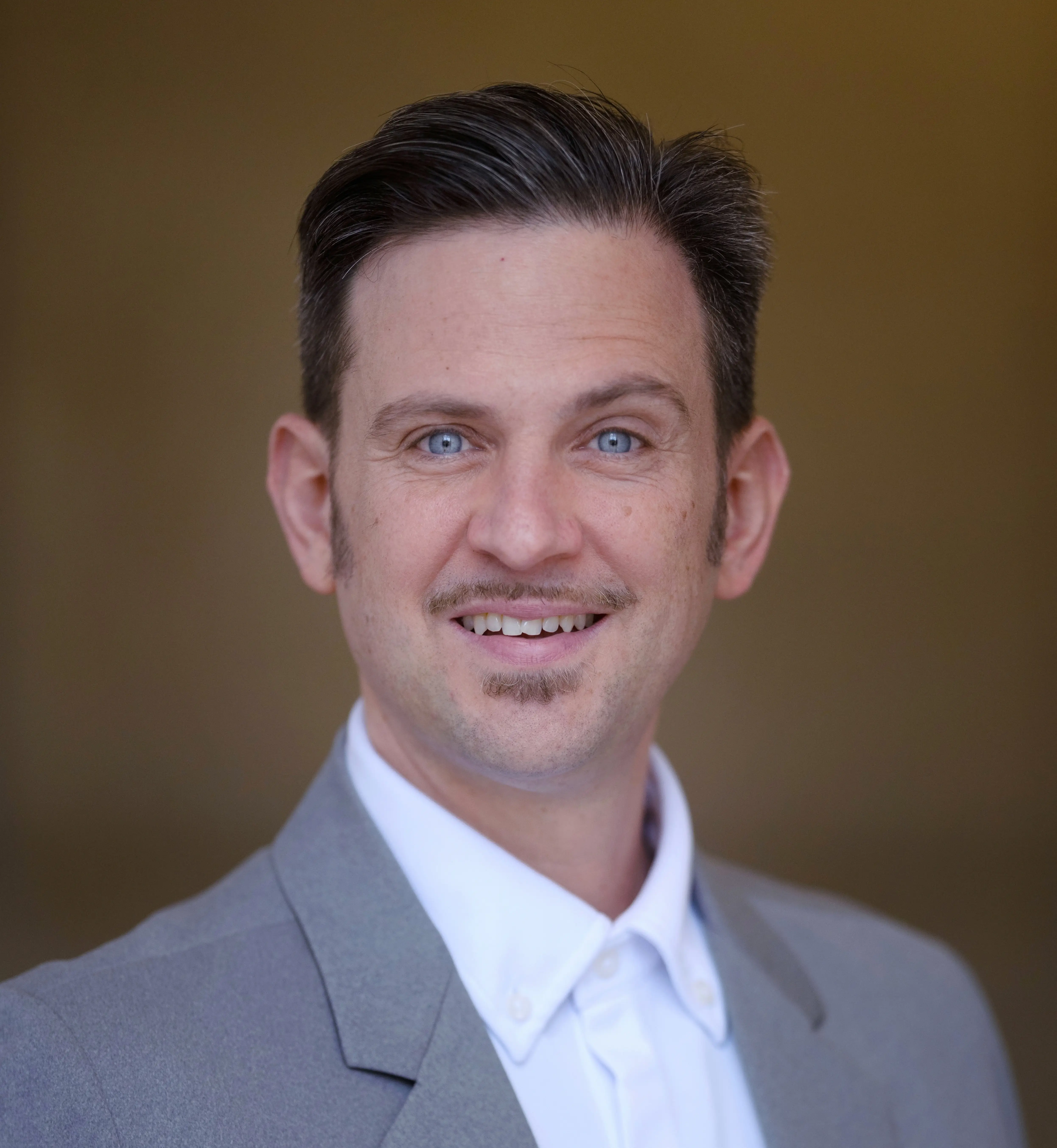
“Many of the interventions currently marketed as longevity measures are still insufficiently scientifically proven. The strongest effects on healthy aging are still achieved by fundamental factors such as exercise, sleep, nutrition and social structures. ” — Matt Käberlein, biogerontologist
Why optimisation has its limits
Another aspect that is often neglected in public discussion: Health does not follow the principle of maximum intake. More vitamins, more supplements, or more interventions don't necessarily mean more health.
The body is designed for balance. Many processes — such as in the hormonal or immune systems — react sensitively to oversupply. Longevity therefore does not mean constantly “putting on” something, but rather reducing overload, permanent stress and dysfunctional patterns.
The social dimension of healthy aging
Healthy aging is not just an individual achievement. Socio-economic factors, working conditions, education, gender roles and social security play a decisive role. Studies show, for example, that although women live longer, they are more likely to spend more years with health restrictions — including multiple burdens and poverty in old age.
A holistic concept of longevity must take these dimensions into account and must not reduce health to consumption.
A more realistic view of longevity
Beyond hype and promises of salvation, there remains a sober but encouraging finding: A large part of the factors that promote healthy aging are known, well-researched and accessible in principle.
Longevity is not a short-term project or a product. It is a long-term process that requires structure, knowledge, implementation and environment. Advances in aging research — for example on cell mechanisms or age-associated diseases — are promising, but they do not replace the basics.
Healthy aging doesn't start in the laboratory or in the cryo chamber, but in everyday life.
References
Publiziert
19.1.2026
Kategorie
Longevity

Experte



Longevity is one of the most frequently used keywords in health and wellness. Hardly any other topic currently promises as much: more energy, a longer life, slower aging. At the same time, the number of offerings marketed under the “Longevity” label is growing — from cryo chambers to infusions to personalized supplement stacks.
But which of this is actually scientifically justified? And where does the overdrawing of a trend that reduces complex processes to simple solutions begin?
Life expectancy is not the same as healthspan
In research, a clear distinction is made between two variables: life expectancy and Healthspan — in other words, the time that people live without major restrictions. While life expectancy has risen steadily in recent decades, this only applies to a limited extent for healthy life years.
Many people today live longer but spend a significant portion of these additional years with chronic illnesses, limited mobility or cognitive problems. This is exactly where reputable Longevity research comes in: not with the maximum age, but with the quality of the years.
Why basic factors still matter most
These factors do not act in isolation, but are intertwined. They influence metabolism, inflammatory processes, hormonal regulation, cardiovascular health and neuronal plasticity — in other words, the very systems that shape the aging process.
Where the longevity narrative goes wrong
The current longevity discourse becomes problematic where complex relationships are reduced to individual measures. Cryotherapy, vitamin infusions or high-dose supplements are often advertised as abbreviations — with the implicit promise of being able to compensate for years of lifestyle factors.
From a scientific point of view, this idea is not tenable. The human organism is a finely balanced system. Interventions without clear indications or individualized diagnostics can not only be ineffective but, in the worst case, disrupt regulatory mechanisms.
“Many of the interventions currently marketed as longevity measures are still insufficiently scientifically proven. The strongest effects on healthy aging are still achieved by fundamental factors such as exercise, sleep, nutrition and social structures. ” — Matt Käberlein, biogerontologist
Why optimisation has its limits
Another aspect that is often neglected in public discussion: Health does not follow the principle of maximum intake. More vitamins, more supplements, or more interventions don't necessarily mean more health.
The body is designed for balance. Many processes — such as in the hormonal or immune systems — react sensitively to oversupply. Longevity therefore does not mean constantly “putting on” something, but rather reducing overload, permanent stress and dysfunctional patterns.
The social dimension of healthy aging
Healthy aging is not just an individual achievement. Socio-economic factors, working conditions, education, gender roles and social security play a decisive role. Studies show, for example, that although women live longer, they are more likely to spend more years with health restrictions — including multiple burdens and poverty in old age.
A holistic concept of longevity must take these dimensions into account and must not reduce health to consumption.
A more realistic view of longevity
Beyond hype and promises of salvation, there remains a sober but encouraging finding: A large part of the factors that promote healthy aging are known, well-researched and accessible in principle.
Longevity is not a short-term project or a product. It is a long-term process that requires structure, knowledge, implementation and environment. Advances in aging research — for example on cell mechanisms or age-associated diseases — are promising, but they do not replace the basics.
Healthy aging doesn't start in the laboratory or in the cryo chamber, but in everyday life.
Experte
Referenzen
Publiziert
19.1.2026
Kategorie
Longevity


Follow us


